- Scientific Name
- Uromastyx aegyptia
- Name Meaning
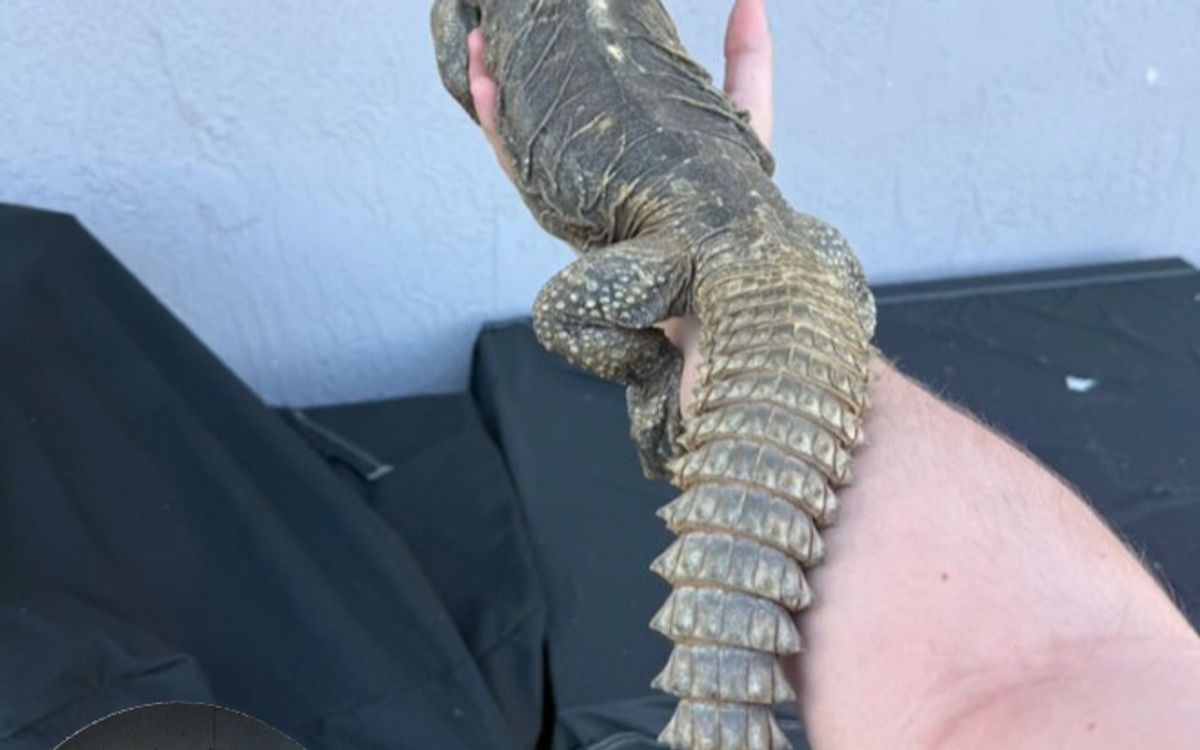
- “Uromastyx” means “whip tail,” referring to their thick, spiky, club-like tail used for defense.
- Size & Lifespan
- 14–36 inches; 30+ years in captivity when cared for properly.
- Native Range
- Desert regions of Egypt, Israel, Jordan, Iraq, Saudi Arabia.
- Habitat
- Rocky deserts, arid scrublands, extreme heat, burrows for protection and temperature control.
- Behavior
- Calm, shy, burrow-loving, bask heavily; will tail-whip if threatened. Known for “head-bobbing” and digging.
- Social
- Solitary—only kept alone except during brief breeding periods.
- Activity Cycle
- Diurnal—active during the day, basking most of the morning.
- Why They Look This Way
- Thick body and spiny tail protect from predators; sand-colored scales for desert camouflage; large gut for digesting plant material.
Fun Facts
- One of the largest Uromastyx species.
- Can tolerate some of the highest basking temps of any reptile (120–140°F hotspots).
- Primarily herbivores despite the “lizard” stereotype.
- Wild individuals block their burrows with their spiny tail when hiding from predators.
Enclosure
Egyptian Uromastyx need a large, hot, dry enclosure. Ideal adult size is 6 ft x 3 ft x 2 ft minimum, bigger preferred. Use a dry desert substrate such as a soil/sand mix or packed clay/sand mix; cypress mulch is NOT safe because it holds too much moisture. Provide multiple hides and plenty of digging depth (at least 4–6"). Basking area should be 120–130°F, with a hotspot up to 140°F. Cool side should be 85–95°F. Night temps can drop to 70–75°F safely. Humidity must stay under 30%. Provide strong UVB (Arcadia 12% or Zoo Med T5 HO).
- Temperature Tolerance
- They handle extreme heat well but do not tolerate humidity or cold. Avoid temps below 65°F for long periods.
Diet and Hydration
Egyptian Uromastyx are strict herbivores. Feed daily salads with rotation. Young eat more frequently; adults can be fed 5–6 days/week.
Weekly Schedule (Adult)
- 5 days: Large salad (2–3 cups depending on size).
- 1 day: Light meal.
- 1 day: Optional fast day.
- Staple Foods
- Collard greens, turnip greens, mustard greens, endive, escarole, dandelion greens, hibiscus leaves/flowers, squash, lentils (soaked or cooked), millet seed, clover, cactus pads (nopales).
- Treats
- Small amounts of carrot, sweet potato, peas, edible flowers.
- No Feed/Toxic
- Animal protein, insects, spinach, kale, iceberg lettuce, citrus, dog/cat food.
- Hydration
- They get most moisture from food. Offer no water bowl (raises humidity). Lightly mist greens occasionally.
- Supplements
- Light calcium dust 1–2x/week; multivitamin 1x/week.
- Diet Behaviors
- They may dig and hide during cooler seasons and eat less—normal for brumation-type behaviors.
Health
Common issues include respiratory infections (from humidity), metabolic bone disease (from poor UVB), impaction (from loose sand or low fiber), and parasites. Bacterial infections from dirty enclosures or incorrect humidity can become fatal. They are hardy when kept hot and dry.
Handling
Uromastyx are generally calm but shy. Handle slow and gentle, supporting body weight. Avoid grabbing the tail—defensive tail-whipping is common. Young individuals can stress easily with too much handling; short, calm sessions are best.
They can be stress-prone to loud environments or fast movements.
For Shows
- Yes, they can be very good show animals once used to handling.
- They rarely bite, are not messy, and tolerate heat well.
- They can be boxed for transport if the box is dry, warm, and ventilated.
- Limit interactions with very small children since they may flinch or grab the tail.
Requirements for Show Animals
- Very friendly, handleable ✔ (most adults qualify)
- Not messy ✔
- Can do 5+ shows/day ✔ if used to handling
- Can be boxed for a day ✔
- Good with heat ✔ (excellent)